
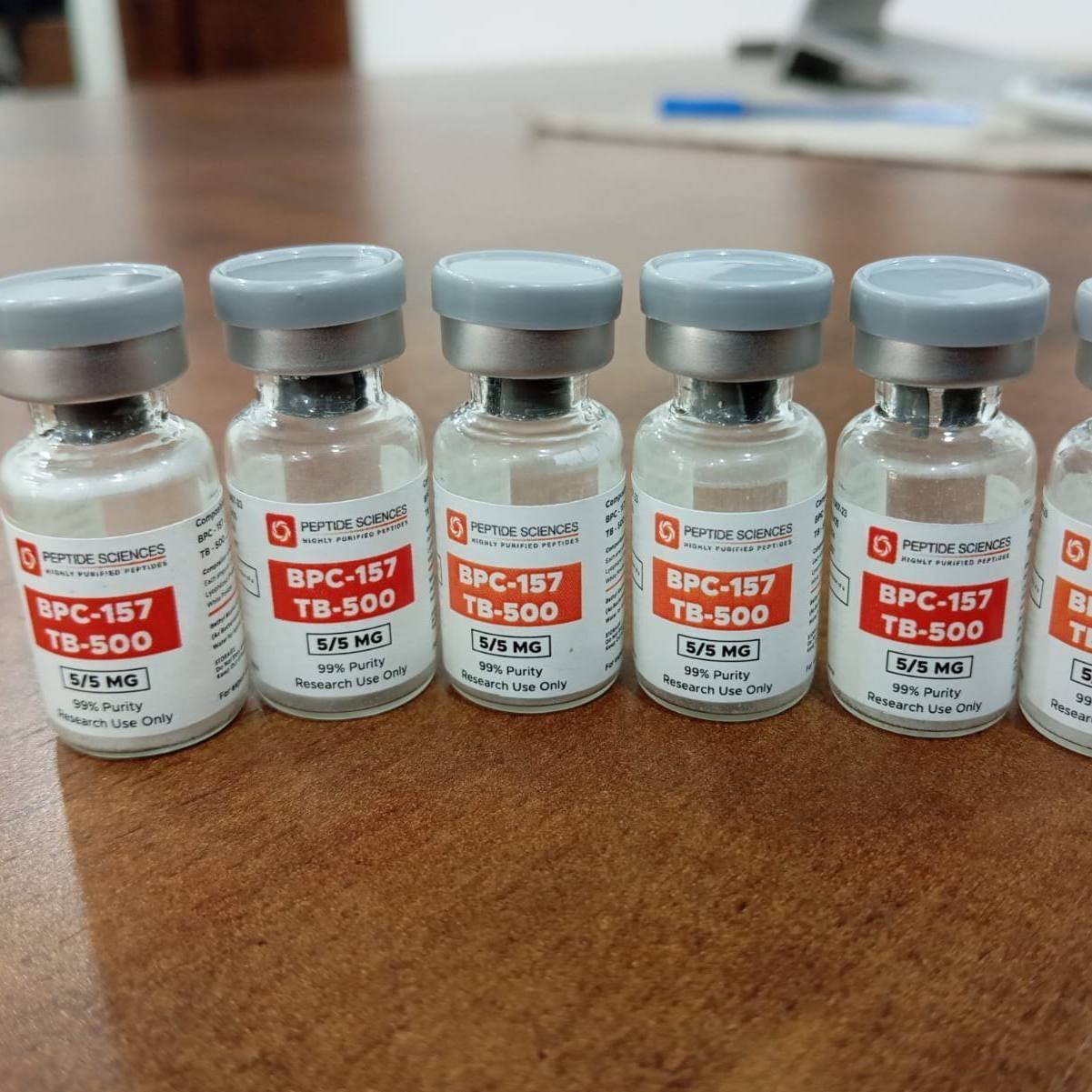
BPC157 TB500
Ready to enhance your research? Buy BPC157 TB500 blend peptide from us today! Our high-quality, research-grade peptides are ideal for studying tissue repair, healing, and regeneration processes. Whether you’re focusing on muscle recovery, joint healing, or studying cellular repair mechanisms, BPC-157 and TB500 are the perfect tools for your research needs. Order now and ensure you have the peptides you need for reliable, reproducible results. Don’t wait—take the next step in your scientific discoveries with us!
What Is BPC157 TB500
The BPC-157 and TB500 blend is a combination of two peptides, BPC-157 (Body Protection Compound-157) and TB500 (Thymosin Beta-4), that are often used together in scientific research to enhance tissue repair, regeneration, and healing processes. This blend is typically studied for its potential synergistic effects on promoting faster recovery, reducing inflammation, and improving the healing of muscles, tendons, ligaments, and other connective tissues.
BPC-157 and TB500 Blend Benefits
The BPC-157 and TB500 blend is a powerful combination of two synthetic peptides, each known for their unique benefits in tissue repair and regeneration. When used together, these peptides create a synergistic effect, amplifying their individual properties and promoting faster recovery, healing, and increased mobility. Here are the combined benefits of the BPC-157 and TB500 blend:
1. Accelerated Tissue Repair and Healing
Both BPC-157 and TB500 have been shown to significantly promote the healing of muscle, tendon, ligament, and joint injuries. The blend can enhance the regeneration of soft tissues, helping injuries heal more quickly and effectively. Whether you’re recovering from strains, sprains, or more severe injuries, this combination can support the healing process.
2. Reduced Inflammation and Swelling
Inflammation is a common response to injury, but it can slow down the healing process. Both peptides have anti-inflammatory properties, and when combined, they can help reduce swelling and discomfort associated with injuries. This may lead to faster recovery times and less pain during the rehabilitation phase.
3. Improved Flexibility and Mobility
TB500 is known for improving flexibility and joint mobility, while BPC-157 helps with tendon healing. Together, they may help improve overall muscle and joint function, enhancing range of motion and reducing stiffness. This is particularly beneficial for athletes or individuals recovering from long-term injuries.
4. Enhanced Blood Flow
BPC-157 promotes vascularization, which increases blood flow to damaged tissues, delivering more oxygen and nutrients to areas in need of repair. This enhanced blood flow, combined with TB500’s regenerative capabilities, helps improve the healing environment and promotes quicker tissue regeneration.
5. Faster Recovery from Acute and Chronic Injuries
The BPC-157 and TB500 blend is particularly beneficial for both acute injuries (like muscle strains or ligament sprains) and chronic injuries (such as tendonitis or joint pain). The blend can accelerate recovery, allowing athletes and individuals recovering from surgery or injury to get back to their routine more quickly.
6. Support for Tendon and Ligament Regeneration
BPC-157 has been shown to significantly help with tendon healing, while TB500 supports cellular regeneration. When combined, they may provide even more robust support for the healing of tendons, ligaments, and connective tissue, which are often slow to recover on their own.
7. Wound Healing
The blend may also promote faster healing of wounds, whether they are skin wounds or deeper soft tissue injuries. Both peptides support tissue regeneration and cell migration, which are crucial for wound healing and tissue repair.
BPC-157 and TB500 Blend Side Effects
The BPC-157 and TB500 blend is often used in research settings to explore tissue repair, healing, and regenerative properties. While the side effects of these peptides are not fully understood due to limited human studies, some potential side effects have been reported during research trials. These side effects can vary depending on the dosage, the individual’s response, and the way the peptides are administered.
BPC-157 TB500 Blend Side Effects
While the BPC-157 TB500 blend is generally considered safe for research purposes, some individuals may experience mild side effects. Common side effects include:
- Injection site reactions, such as redness, swelling, or pain.
- Headaches or mild dizziness, particularly when starting the peptide or increasing dosage.
- Fatigue or feeling unusually tired, especially during initial use or while the body adjusts to the peptides.
In rare cases, more serious side effects may include:
- Joint pain or discomfort, due to increased fluid retention or changes in tissue regeneration.
- Increased heart rate or palpitations, especially in sensitive individuals.
- Nausea or gastrointestinal discomfort, though it’s uncommon.
Always follow the recommended dosage and consult with a healthcare provider before using the BPC-157 TB500 blend, especially if you have pre-existing health conditions. Monitor for any unusual reactions and seek medical advice if needed.
How to Inject BPC-157 TB500 Blend
Injecting the BPC-157 TB500 blend involves a simple process, typically administered subcutaneously or intramuscularly. Here’s a step-by-step guide:
- Prepare the Injection: Wash your hands thoroughly. If using the peptide in powder form, reconstitute the BPC157 TB500 blend by adding sterile or bacteriostatic water according to the recommended instructions.
- Attach the Needle: Use a sterile syringe and needle to draw the prescribed dose of the peptide. Ensure the needle is securely attached.
- Choose the Injection Site: For subcutaneous injections, common areas include the abdomen (away from the navel) or outer thigh. For intramuscular injections, you can inject into the deltoid, gluteus, or quadriceps muscles. Rotate injection sites to prevent irritation.
- Clean the Site: Use an alcohol swab to clean the skin or muscle where you plan to inject. Allow the area to dry before proceeding.
- Inject the Peptide: Insert the needle at a 45 to 90-degree angle (depending on the site and needle length). Inject the peptide slowly and steadily. Hold the needle in place for a few seconds to ensure the full dose is delivered.
- Dispose of the Needle: After the injection, dispose of the syringe and needle in a proper sharps container. Do not recap the needle.
- Monitor for Side Effects: Track any potential side effects and consult a healthcare provider if needed.
Always follow the specific dosage and injection guidelines provided by your healthcare provider or research protocol for safe and effective use of the BPC-157 TB500 blend.
Reviews
There are no reviews yet.